Reading Room · Book I Dossier · Primary-Source Evidence Ledger
Book I: The Stone That Drinks — Opening Chapter — Chapter 1: The Gored Boy 16+
Late Minoan IA (c. 1610–1525 BCE, disputed) · 302 pages · Floor 16+ · Recommended 18+ · 4,145 words
Read the complete opening chapter of Book I (4,145 words) with adjustable type size, line width, and optional historical notes.
Chapter 1 — The Gored Boy
The pulse in the boy’s throat was fast and thin, a bird’s pulse, and she had two fingers on it before she had looked at his face or at the hole below his ribs or at the other boy holding his head. Sand under her knees, wet through her skirt at once. Sand in the wound. The bull had been taken out through the far gate and the people on the tiers were still making the sound people make when they have seen something and have not yet agreed what it was. “Linen,” she said to Lissana, who was not there yet, and then Lissana was, out of breath, holding her skirt up off the sand in both fists as though that mattered now.
The horn had gone in under the short ribs on the left side and come out again a hand lower. Midamara could tell the way of it from the skin, the upper lip of the tear clean and the lower one ragged, and between the two something inside the boy moved each time he breathed. That was good, because he was breathing. It was bad for every other reason. She put the heel of her hand over the lower opening and leaned.
“Here,” she said. “Put your hand on mine. Now take mine away and keep yours. Push the way you push dough.”
Lissana pushed. She had good hands, broad and dry and not afraid, and they did not shake once she had something to do with them. A man in a court kilt came down off the tiers and took the boy under the arms to lift him, and Midamara struck his wrists away with the back of her own hand without looking up. He said something about the court. She said something about the boy’s insides. He went to find a door.
She had come up from the river-mouth three days before to sit with the steward’s wife of the west-stair house, who was near her time and had not yet started and who had asked for her by name. On the morning of the leaping the woman had wanted to watch from the tiers, because a woman who watched the bulls with her belly on her knees would bear a strong child, she said. Midamara thought this nonsense and had gone anyway. The seat was good, there was shade until noon, and the house fed her. She had watched the first two bulls with a fig in her hand. She had watched the grey bull taken by a quiet boy with a gold collar who landed on his feet as though the bull had been a step. Then the red bull had come out, and two mountain boys after it, and she had put the fig down.
They carried him on a door. The door came off a storeroom at the edge of the court and still had its pin, and the pin dug into the boy’s shoulder all the way across the paving until she reached under and pulled it out and gave it to someone. The other boy walked beside the door with his hands on his friend’s face. He had the gold on both arms, a beaded collar, the side-locks of a court youth come loose from their ties and full of sand. Midamara watched his hands more than his face. They were holding too hard.
The nearest house was the west-stair house, the same one that fed her, and it was the house that had fostered both boys. The women there had the good linen out of a chest before she asked for it, and then stood over it and argued. One said the stained cloth would have to go back to the weaver because the weaver would want it, blood or no blood. Another said the weaver could want. A third asked who was paying for it, the house or the court, and whether anyone had thought about that, and Midamara put her hand into the boy and found the place where the horn had turned, and stopped hearing any of them.
It had turned. That was the trouble. A horn that went straight in and straight out left a road you could follow. This one had gone in and swung, the bull tossing its head as bulls do, and the road it left had a bend in it and a pocket at the bend, and the pocket was filling. She felt it fill against her fingertips. She felt the pulse in her other hand, the one still on his throat, go quick and then quicker, the way a woman’s goes when the bleeding has started somewhere you cannot see.
“Is he going to die?”
It was the one who had held the head. He was still holding it. His knuckles had gone white along the gored boy’s jaw.
“Let go of him.”
“Is he?”
“You’re holding his breath in. Let go of his face.” She did not look up. “Hold his feet. When I go in again he’ll kick, and if he kicks he’ll tear it. Hold them as if they were a goat’s.”
He let go of the face. He went to the feet and took them and held them, too hard again, and she let him, because feet could bear it.
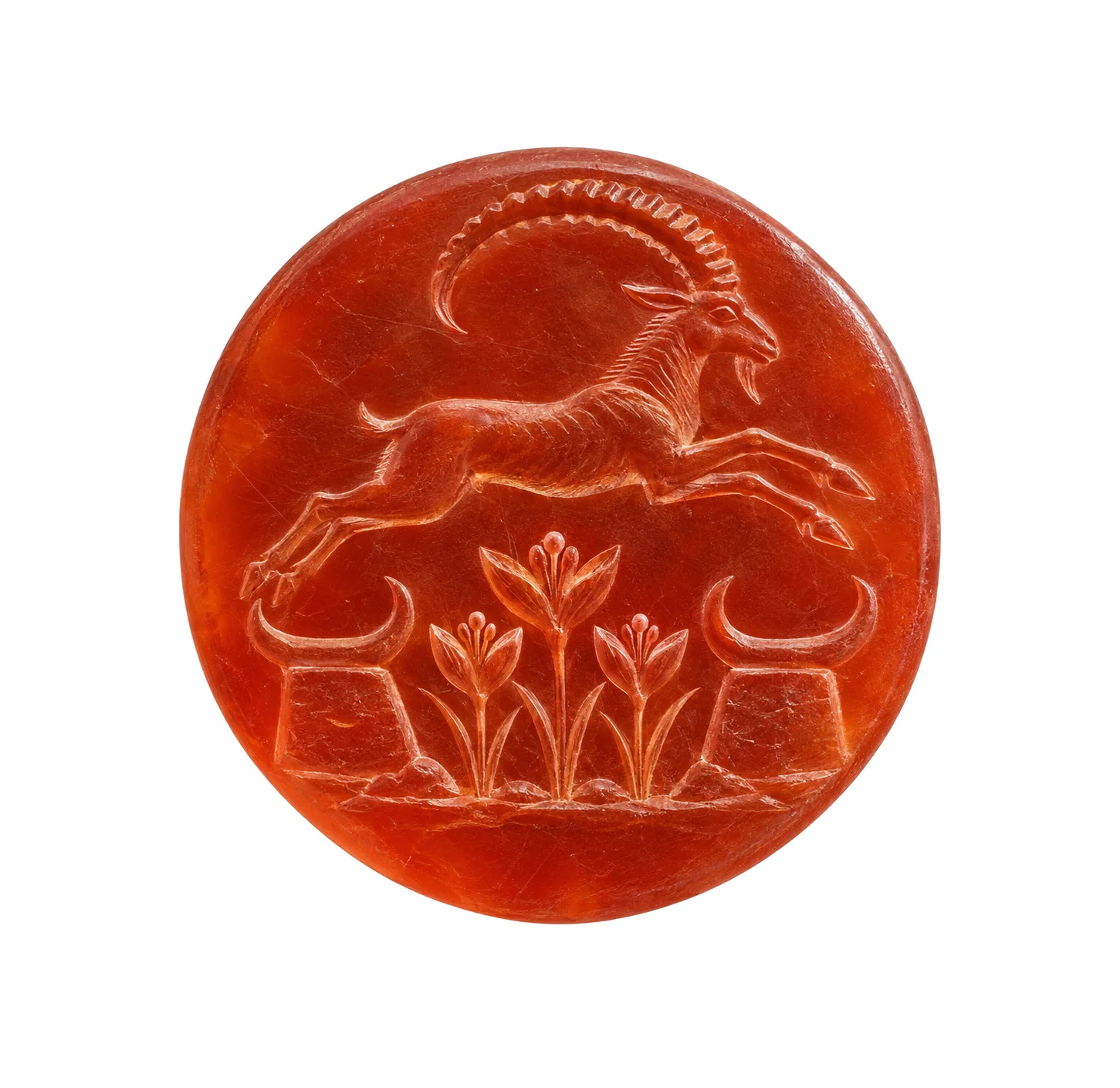
Lissana gave her the hot water. Someone had brought wine and Midamara poured it into the wound, the boy arching under the door so that the mountain boy at his feet had to lean his whole weight on him, and the wine came back out pink with sand in it. She poured again. Behind her the linen chest stood open, its cord cut, and the lump of clay that had sealed the cord lay on the floor with some horned beast pressed into it. Somebody’s heel came down on it and spread it flat, and the woman who owned the heel said she was sorry, and the woman who owned the chest said it was too late for sorry, and Midamara said, “Honey,” and there was a pause while they found some.
Lissana said, “Not honey. Fat. My mother used fat.”
“Your mother used fat on burns.”
“On everything.”
“Then your mother lost a great many people with holes in them.” Midamara held out her hand and a cup of honey went into it, dark mountain honey with the thyme still in the smell, and she packed the pocket at the bend with honey and linen. Lissana watched her do it with the look she had when she was going to bring it up again in a month, after she had thought of something better to say.
She sewed the outer skin with a bronze needle and gut and left a gap at the bottom a finger wide. Lissana asked why. She said that she had once sewn a belly shut all the way, when she was younger than Lissana and very proud of her stitches, and had watched the heat build up behind them over three days until it came out through the skin as a smell she could still find in the back of her nose if she let herself. Lissana said that was not a reason, it was a story. Midamara said they were often the same thing, and held out her hand for the thread to be cut.
The steward came in while she was tying off. He was a big soft man with a seal on a cord round his neck and he stood over the door with his hands moving, wanting to help, wanting the boy moved to the inner room where it was cooler and the house’s good lamps were, wanting a mat brought, a cushion, a second cushion. He put his hands under the door at one corner to lift it. Midamara asked him whether he had ever carried a full jar up a stair with a crack in it. He said he had. She asked him what happened to the jar. He took his hands away and went to see about the cushions, and did not come back with them, and she did not miss him.
The girl with the water jar was another matter. Nobody had told her to stay. She was a house girl of thirteen or so with a burn scar on the back of one hand, and she had come in with the first water and not gone out again, and each time Midamara reached behind her without looking there was something in the girl’s hands to be put into her own: the cup, the cloth, the thread, the water hot and then cooler, as if the girl could see the work through the back of Midamara’s head. Midamara noticed it the way she noticed a good contraction, without stopping to praise it. Lissana noticed it too, and took it less well.
By the time she sat back the sun had come round off the court and the room had gone from white to yellow. The house women had stopped arguing about the linen and started arguing about who would sit with the boy in the night, which was the same argument wearing different clothes. The gored boy was breathing through his mouth. His face was the colour of wet ash, and his lips had gone pale at the edges, and when she put her fingers back on his throat the pulse was there, running, and then not running, and then running again, like a dog that keeps stopping to look behind it.
The mountain boy was still holding the feet. Nobody had told him he could stop.
“You can put them down.”
He put them down. He looked at his hands. There was blood on them to the wrists, and under the gold armlets the skin was red and raw where the gold had rubbed, the way it rubs on the young ones in their first season, before the arms thicken. Except that he was not in his first season. She looked at the arms again. They had thickened and then thinned. He had been eating badly for a while.
“What’s his name?” she said.
“Marintho.”
“And yours?”
He told her. She had already known it.
The steward’s wife came in before lamp-lighting, sideways through the door because of the belly, and stood looking at the boy on the floor and then at Midamara.
“You were with me,” she said. “You were watching with me.”
“I was.”
“And now you’re here.”
“He has a hole in him and you don’t,” said Midamara. “Sit down before you fall down. No, not there, there’s blood. On the bench.” The woman sat on the bench and put her hands under her belly. It had dropped since the morning. Midamara saw it from across the room, the way the weight had gone down and forward since noon, and the way the woman was breathing high up in her chest because there was room up there now and had not been before. Tomorrow, she thought. Or the day after. She said none of it. The woman was offended enough already, and offence held labour back better than fear did.
Food came. The house women brought bread and a bowl of the yellow pea paste with oil on it and a cup of the morning’s wine, watered, and set them on the step by the door because nobody would carry food into a room with a wound open in it. Midamara ate standing in the doorway with one eye on the boy. The paste was good. Somebody in the house knew what to do with coriander. Lissana ate sitting on the step, quickly, the way she ate everything, and said with her mouth full that if the boy lived they should send to the river-mouth for more honey, because the house’s honey was low-pasture honey and would sour.
“If he lives,” said Midamara.
“That’s what I said.”
Nadare had not come to the step. He was sitting by the gored boy’s head with a piece of bread in his hand that he had not bitten, and when Midamara came back in he looked up at her.
“You’re from the river-mouth,” he said.
“I work there.”
“At the cave.”
“At the cave. In the houses. Wherever a woman is that needs me.”
“My mother says a woman from the cave caught me.” He was turning the bread over in his hands. His thumbs had made a hollow in it. “She says the woman promised me to this place before I was out. Before I’d even breathed.” He stopped. “If I find her—”
He did not finish. Midamara waited. He did not finish, and she watched his hands and saw that they were shaking now that they had nothing to hold, and she did not know what he would have done if he had found her, and she did not ask. She took the bread from him and broke it in two and gave him back the half without the hollow.
“Eat that,” she said.
“Was the bull chosen?”
“What?”
“The red bull. Was it chosen for us. You were on the tiers. You were watching.”
“I was watching a woman who wasn’t there.” She knelt by the gored boy and put her fingers on his throat. Running. Not running. Running. “I watched the grey one come out and a boy take it. I watched the red one come out and you two go to it. I didn’t see who chose.”
“Somebody chose.”
“Somebody always chooses. I didn’t see who.”
He ate the bread then, all of it, quickly and without seeming to notice, the way men eat on the morning after a death. He was young enough that his body still did that for him.
Parane came at lamp-lighting with the long sword at his hip. Midamara heard him before she saw him, the house going quiet in a ring outward from the door, the steward getting to his feet, a cup set down. Then he was in the room, the gold pommel with its little tumbling man catching the lamp. He was not as tall as his name made him and he did not need to be. He thanked the house for its care. He thanked the steward and the steward’s wife, who did not get up and was forgiven for it. He spoke well, without hurrying, in the voice the court used for things it meant to have remembered.
He asked first after his sister’s son, the quiet one who had taken the grey bull in the morning. He was told the boy was eating, and well. He said good, and smiled briefly, and then turned to the floor and asked after this one.
Midamara watched Nadare watch him do it. She saw it go into the boy, the order of the asking. It went in the way the horn had gone in, under the ribs, and turned.
“The red bull was given to us,” Nadare said.
Parane looked down at him. “Every bull is given.”
“It was given to us. It is always given to us.” He said it to the whole room, to the women with the linen, to the steward and the steward’s wife on her bench, to the girl with the water jar who had been standing by the door since the afternoon, and his voice did not shake now. “Every red bull. Every bad one. The mountain boys get the bad ones and the house boys get the grey and the white and come home and eat. Everyone in this house knows it. Ask them.”
Nobody answered him. The girl with the water jar went out.
Parane looked at the boy for a long moment, and then he said, “The red bull goes to those who can leap it. You have always heard that as an insult. It is the other thing.”
“Then give it to your sister’s son.”
There was a silence in the room that Midamara felt in her own back, between the shoulders, where she felt the silence in a birth room when a child has come out and has not yet cried. The steward looked at the floor. One of the linen women put her hand over her mouth, not in horror but to keep something in. Parane’s hands did not move at all. He had a ring on the right one, a gold ring with a flat face, and the hand hung at his side with the ring turned in, and it stayed there.
He turned to Midamara. “Will he live?”
“I’ll tell you when I know.”
He nodded as though this were the answer he had wanted. “You’re the river-mouth midwife. The cave. My mother speaks of you.”
“Your mother had a hard third.”
“She says so.” He looked at the boy on the door once more, and at the honey and linen, and at the gap she had left in the stitches. “Whatever he needs,” he said, to the steward, and the steward said yes. Then he went out, and the house let its breath go in a ring the other way, from the door inward.
One of the linen women said at once, under her breath, that the boy should not have said it in front of the house. Another said that the boy had only said what the house had been saying in the storerooms for three summers. A third said that saying it in a storeroom and saying it to the court master’s face were two different animals, and who would pay for that, and Midamara said that if any of them wanted to sit up with the boy tonight they were welcome to, and if not they could argue in the yard.
They went to the yard. Through the wall she could hear them, the same argument, back and forth, like a grinding-stone.
In the night she slept a little sitting against the wall, the way she had learned to sleep in other people’s houses, with one hand out where it could find the boy. Lissana slept properly, on her side on a mat, with her mouth open. Nadare did not sleep. Each time Midamara woke he was sitting where he had been sitting, by the head, with his knees up and his arms round them, and the lamp was a little lower, and the gold on his arms had gone dull in the poor light.
Towards the middle of the night the gored boy turned his head and said something. Midamara leaned in. There was no word in it, only the sound a sleeper makes when someone in a dream has asked him a question. She put the backs of her fingers against his cheek and felt the heat in it. It had come up since lamp-lighting, as she had known it would, and it would go on coming up, and the honey would hold it or it would not.
She shifted him, to take the weight off the left side, and as she lifted him her forearms remembered something.
It came into them before it came into her head, as these things did. The weight of a body lifted wrong. Heat and wet to the elbow. The sound of water running somewhere in the dark behind her. She stood very still with the boy half lifted and let it come and go, and set him down on his right side, and put the rolled cloak behind his back.
She had known Nadare’s face since he stood in the court doorway in the morning, waiting his turn with the gold on his arms. He had his mother’s mouth, wide and set at the corners, and his father’s way of standing with all the weight on one leg, as though he were on a slope even on flat ground. But that was not how she had known it. She had known it because she had had it in her hands once, slick and blue and the wrong way round, in the cave at the river-mouth, with his mother’s blood to her elbows and the lamp going out, and she had said what she had said over it because somebody had to say something, and his mother was dying, and there was nobody else in the cave who would.
She did not tell him. She sat down against the wall again and put her hand out where it could find the gored boy, and he looked at her across the lamp, and she looked back, and neither of them said anything for a long while.
“Will you tell me,” Nadare said at last, “when you know?”
“Yes.”
“Not the court master. Me.”
“You first,” she said, and was surprised to find she meant it.
Before dawn the gored boy’s breathing changed. She heard it in her sleep and was awake before she had decided to be. The breaths came long now, with a pause after each one, and the pauses were getting longer, and in each pause the room waited, and then the breath came again from somewhere further down. She put her fingers on his throat. The pulse was there. It was very small. It was a long way off, like a sound heard across water.
She did not do anything. There was nothing in her bag or in her hands or in the house that would do anything, and she had learned a long time ago not to do things for the sake of being seen to do them. She kept her fingers where they were. She counted the pauses without numbers, the way she counted in a birth room, by the breath of the woman and the weight of her own arms.
Lissana woke and sat up and saw and did not say anything, which was the first time in two years Midamara had known her not to.
Nadare had come forward onto his knees. He was watching her fingers, not his friend’s face.
The last pause did not end. She waited inside it longer than she needed to, because the boy at the head was waiting too, and then she took her two fingers from the gored boy’s throat and wiped them on her skirt.
Nadare put his own hand where hers had been, on the throat, two fingers, the way he had seen her do it, as if he could keep it going by holding the place.
She let him. She got up off her knees, which had stiffened in the night and told her so, and went to the door and stood in it. The court was grey. The tiers were empty and the sand had been raked smooth in the night by someone, raked over where the blood had been, so that there was nothing to see. A boy with a rake over his shoulder was walking away across it, leaving a line of footprints behind him in the smooth sand.
Behind her she heard the linen women come in from the yard. They had heard the house go quiet in the way a house goes quiet, and they had come. One of them began to keen, low, and another hushed her, and the third said that the good linen would have to be used now for the wrapping, there was no help for it, and who was going to tell the weaver.
Midamara went down the step into the court to wash her hands at the cistern. The water was cold. She put her wrists in it, and her forearms, all the way up to the elbows, and held them there.
A child came running across the raked sand from the west-stair side, a house child with no sandals on, leaving prints, and stopped in front of her and said that the steward’s wife had wet the bench.
“Wet it how?”
“All of it. All at once. She says you’re to come and she says she’s not speaking to you.”
Midamara took her arms out of the water and shook them. The light was coming up over the eastern ridge, lighting the side of the peak over the court, and a few birds had started, and from the house behind her the keening had found its pitch and settled into it.
“Tell her I’m coming,” she said, “and tell her that’s fine, she won’t need to speak. She’ll be busy.”
The child ran. Midamara dried her hands on her skirt and followed, across the sand the boy had raked, putting her feet in the child’s prints because they were there, and behind her she heard someone in the house say, quite clearly, in the ordinary voice people use for ordinary things, that the mountain boy had said it in front of the whole house, and the whole house had heard him.